
Introduction to Halal Diets
For those unfamiliar with the concept, halal diets is a dietary practice followed by individuals from the Islamic faith. ‘Halal‘ is an Arabic word which translates to ‘permissible’ in English. Thus, a halal diet is made up of foods and beverages permissible under Islamic law, as defined in the Quran.
This may seem straightforward, but there is more to halal diets than meets the eye. The rules encompass the types of foods and beverages that can be consumed and the methods by which these items are prepared and processed. The following sections of this guide will explore the intricacies of halal diets in greater detail.
No matter one’s religious affiliation or dietary preferences, understanding the principles of a halal diet can broaden one’s knowledge about diverse dietary practices worldwide. So, without further ado, let’s delve deeper into halal diets.
Understanding Halal: What Makes a Diet Halal?
The Islamic dietary laws, known as ‘halal’, are unique in complexity and scope. They encompass several aspects of food production and consumption, including permissible foods, the methods of slaughtering animals for meat and avoiding certain food combinations.

Generally, foods considered halal include grains, fruits, vegetables, dairy products, and meats from animals slaughtered according to Islamic law. Pork and its products, alcohol, carnivorous animals, birds of prey, and foods contaminated with any of these products are considered ‘haram’ or forbidden.
The slaughtering process, known as ‘dhabihah‘, is also crucial in determining whether an animal’s meat is halal. This process involves invoking the name of the Majestic God, Allah s.w.t, before a swift, deep incision with a sharp knife on the neck, cutting the jugular veins and carotid arteries of both sides but leaving the spinal cord intact.

Halal Certification: Ensuring Your Food is Halal
To help consumers identify halal products, many food companies seek halal certification. A halal certificate is a document issued by a halal certification body that confirms a product’s compliance with Islamic dietary laws. This certificate assures consumers that the product they are purchasing has been prepared according to halal standards.
Halal certification bodies operate globally, and their certification processes may vary. However, the fundamental principle remains: ensuring the food product complies with Islamic law. The certification process typically involves thoroughly inspecting the product’s ingredients, production process, packaging, and labelling.
The Importance of Halal Diets in the Muslim Community
A halal diet is not merely a dietary guideline but a fundamental aspect of a Muslim’s faith and lifestyle. It is an expression of a Muslim’s obedience to God and their commitment to religion.
Beyond religious adherence, halal diets foster a sense of community among Muslims. Shared meals during religious festivals or community events often feature halal foods, strengthening bonds among community members. Additionally, halal practice encourages mindfulness about food choices, promoting a more conscious and respectful approach to food consumption.
The Benefits of Adopting a Halal Diet
While the primary reason for following a halal diet is religious adherence, several additional benefits are associated with this dietary practice. For one, the rules regarding the slaughtering process ensure that the animal is healthy at the time of slaughter, which can have positive implications for the quality and safety of the meat consumed.
Moreover, a halal diet encourages moderate eating habits and the consumption of wholesome, natural foods. This can contribute to a balanced and nutritious diet, potentially improving health outcomes.
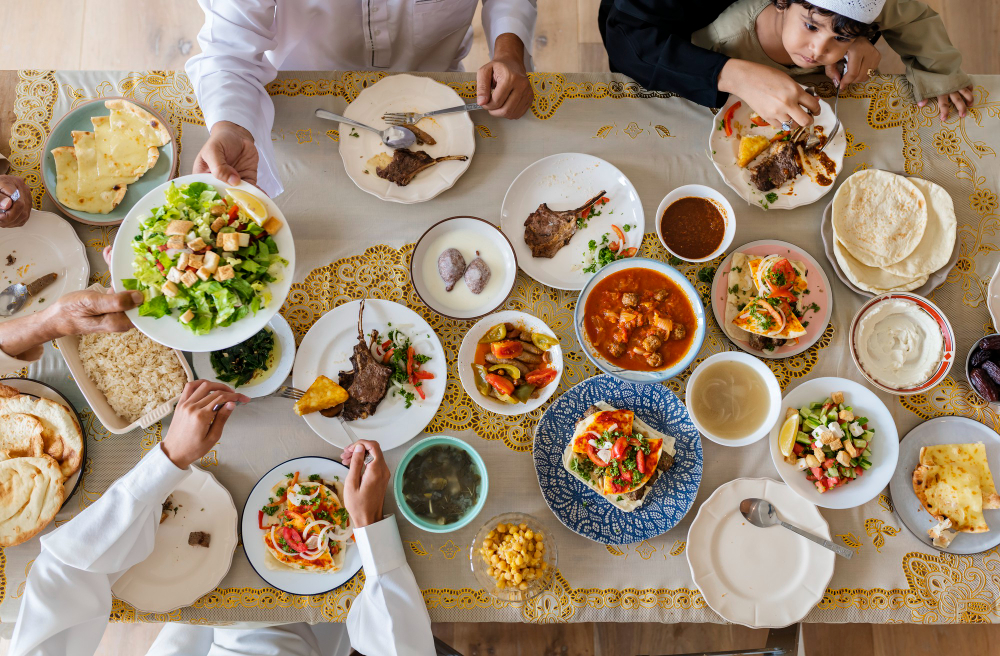
Typical Foods in a Halal Diet
A halal diet encompasses many foods, allowing for a diverse and flexible eating pattern. Staple foods in a halal diet include:
- Grains like rice, wheat, and oats.
- Fruits and vegetables.
- Legumes like lentils and chickpeas.
- Dairy products.
- Meats from halal-slaughtered animals.
- And more!
How to Start a Halal Diet: A Simple Guide
Starting a halal diet involves a few essential steps. First, familiarize yourself with the principles of a halal diet and identify which foods are halal and haram. Next, seek out halal-certified products, carefully examine the ingredients when grocery shopping, and choose restaurants that serve halal foods when dining out.
Tips for Maintaining a Halal Diet
Maintaining a halal diet requires constant diligence and a good understanding of halal principles. It’s essential to read product labels carefully, as some products may contain hidden non-halal ingredients. Additionally, planning meals in advance can help ensure a balanced and varied halal diet.
Misconceptions about Halal Diets
Despite its growing recognition, several misconceptions about halal diets persist. Some people believe that a halal diet is restrictive and lacks variety, but this is far from the truth. A halal diet encompasses a wide range of foods. With some creativity, one can enjoy a diverse and satisfying diet while adhering to halal principles.
Conclusion: The Impact of a Halal Diet on Health and Lifestyle
In conclusion, a halal diet is more than a set of dietary rules. It is a lifestyle choice that reflects a commitment to one’s faith, fosters a mindful approach to food consumption, and promotes community cohesion. Whether one chooses to follow a halal diet for religious reasons or out of curiosity, there is much to gain from this wholesome and balanced approach to eating.